For individuals undergoing dialysis, diet plays a critical role in maintaining health and preventing complications. Because dialysis replaces only some of the kidney’s functions, food and fluid choices directly affect how well the body stays balanced between treatments.
A dialysis-friendly diet is not about strict restriction—it is about maintaining the right balance of nutrients while limiting substances that can accumulate in the body.
Why Diet Is Important During Dialysis
Healthy kidneys regulate fluid, potassium, sodium, and phosphorus levels. When kidney function declines, these substances can build up in the bloodstream.
Dialysis helps remove some of this buildup, but not completely. That is why dietary management remains essential for patients receiving treatment.
The right diet can help:
- Control fluid retention
- Prevent dangerous potassium levels
- Protect the heart
- Maintain energy levels
- Reduce strain between dialysis sessions
Dietary needs may vary depending on the type of dialysis, stage of kidney disease, and individual health factors.
Key Nutrients to Monitor
1. Protein
Dialysis removes some protein from the body. Unlike earlier stages of kidney disease where protein may be limited, dialysis patients often require higher-quality protein intake.
Good protein sources include:
- Egg whites
- Skinless chicken
- Fish
- Lean meat (in moderation)
- Certain dairy products (as advised)
Adequate protein supports muscle health and healing.
2. Potassium
Potassium helps regulate heart and muscle function. However, high potassium levels (hyperkalemia) can be dangerous for dialysis patients.
High-potassium foods to limit or avoid:
- Bananas
- Oranges and orange juice
- Potatoes
- Tomatoes
- Spinach
- Avocados
- Coconut water
Lower-potassium alternatives may include apples, berries, grapes, cabbage, and cucumbers. Individual recommendations vary, so medical guidance is essential.
3. Phosphorus
Excess phosphorus can weaken bones and cause itching or calcium imbalance.
Foods high in phosphorus include:
-
Processed foods with phosphate additives
-
Cola beverages
-
Packaged meats
-
Dairy products (in excess)
-
Nuts and seeds
Doctors may prescribe phosphate binders along with dietary adjustments.
4. Sodium (Salt)
Too much sodium increases thirst and fluid retention, making dialysis sessions more difficult.
Patients are generally advised to:
- Avoid processed and packaged foods
- Limit added salt
- Avoid pickles, chips, and salty snacks
- Choose fresh, home-cooked meals when possible
Lower sodium intake helps control blood pressure and swelling.
5. Fluid Intake
Dialysis patients often need to monitor fluid intake carefully. Excess fluid can cause:
- Swelling
- High blood pressure
- Shortness of breath
- Strain on the heart
Fluid limits depend on urine output and dialysis schedule. Fluids include not just water, but soups, tea, coffee, and even certain fruits.
What to Eat: Dialysis-Friendly Choices
While restrictions can seem overwhelming, many foods remain safe and enjoyable when consumed appropriately.
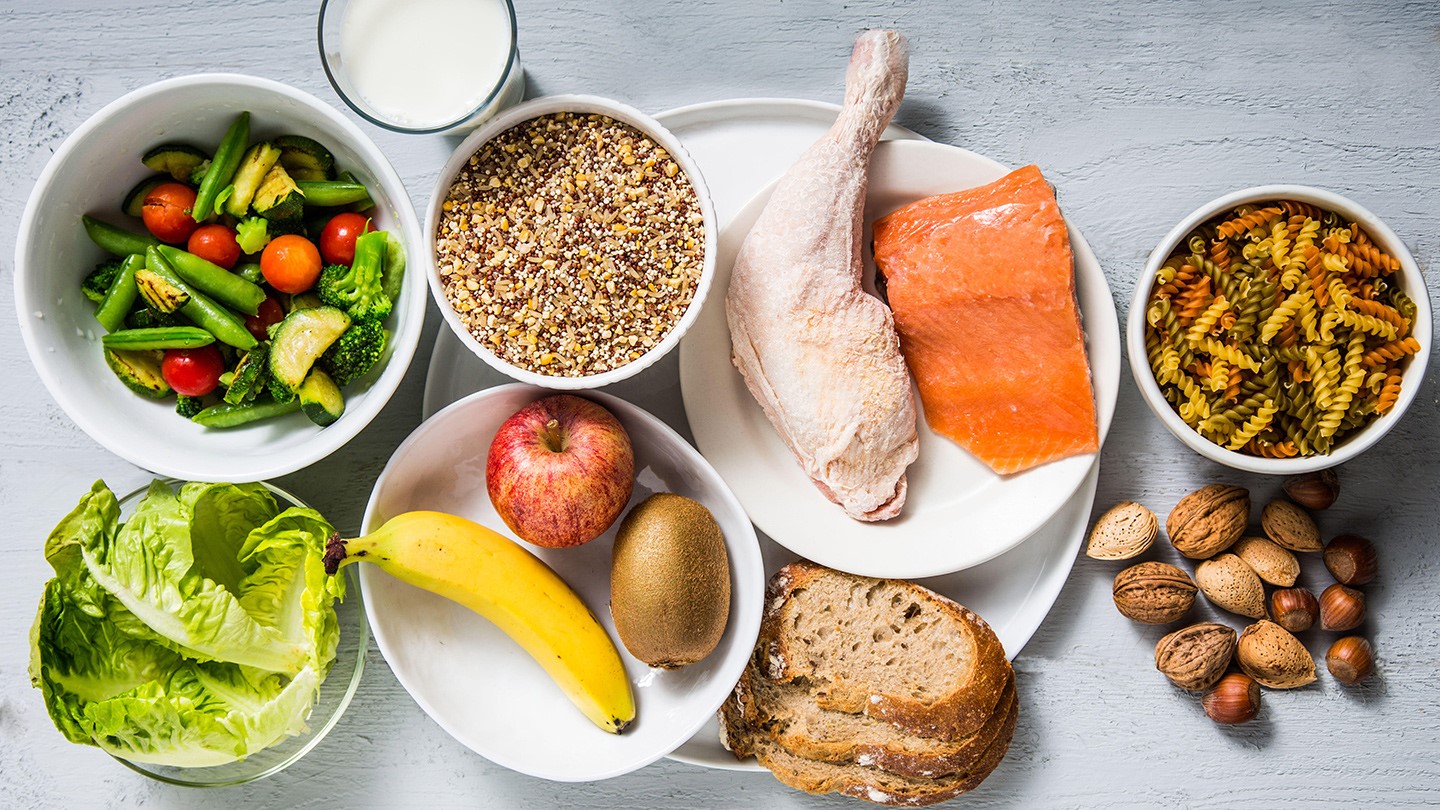
Dialysis-friendly options may include:
- Lean proteins in recommended portions
- White rice, pasta, and certain breads
- Apples, berries, grapes, pears
- Green beans, cabbage, cauliflower
- Unsalted popcorn
- Olive oil and healthy fats
Dietary planning should always be personalised by a healthcare professional or renal dietitian.
Foods to Avoid or Limit
In general, dialysis patients may need to limit:
- Highly processed foods
- Fast food and restaurant meals
- High-potassium fruits and vegetables
- Packaged snacks with phosphate additives
- Dark colas and certain dairy products
- Excess salt and seasoning mixes
Reading nutrition labels becomes especially important.
Special Considerations for Home Dialysis vs In-Center Dialysis
Nutritional recommendations may differ slightly depending on whether a patient receives hemodialysis or peritoneal dialysis. For example, peritoneal dialysis patients may have different protein and calorie needs.
Because individual requirements vary, personalised dietary guidance is essential.
Common Challenges
Maintaining a dialysis-friendly diet can be challenging due to:
- Appetite changes
- Fatigue
- Social gatherings
- Emotional stress
- Limited food options when eating outside
Planning meals in advance and seeking professional dietary advice can help patients maintain consistency without feeling overly restricted.
Working with a Renal Dietitian
A renal dietitian specialises in nutritional planning for kidney disease. They can:
- Create personalised meal plans
- Help interpret lab results
- Suggest safe alternatives
- Adjust diet based on dialysis type
- Provide practical tips for daily life
Diet should never be self-modified without professional advice.
Final Thoughts
Diet plays a vital role in the health and safety of dialysis patients. While dialysis removes waste from the body, proper nutrition helps maintain balance between sessions and supports overall well-being.
Every patient’s needs are different. Working closely with a healthcare team ensures that dietary choices align with treatment goals and individual health conditions.
If you are undergoing dialysis and have questions about nutrition, consult your medical team for personalised guidance.