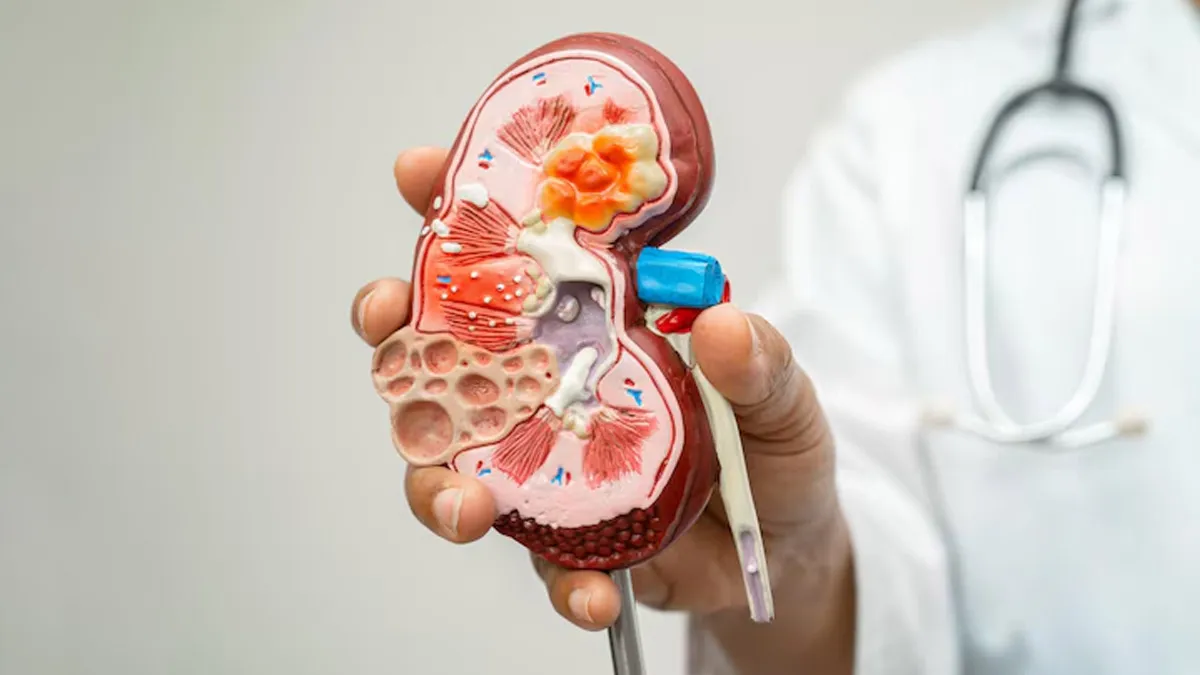

Dialysis is a medical treatment that performs some of the functions of healthy kidneys when they are no longer able to work effectively. For individuals with advanced kidney disease, dialysis can help remove waste products, excess fluids, and toxins from the blood.
Understanding what dialysis is — and when it becomes necessary — can help patients and families prepare for important healthcare decisions.
What Do the Kidneys Normally Do?
Healthy kidneys perform several essential functions in the body. They:
- Filter waste products from the blood
- Remove excess fluid through urine
- Balance electrolytes such as sodium and potassium
- Regulate blood pressure
- Support red blood cell production
- Maintain overall chemical balance
When kidney function declines significantly, these processes are disrupted, and waste begins to accumulate in the body.
What Is Dialysis?
Dialysis is a treatment that helps replace some of the filtering functions of the kidneys. While it does not cure kidney disease or fully replace kidney function, it helps maintain balance in the body when the kidneys are unable to do so.
There are two main types of dialysis:
Hemodialysis
In hemodialysis, blood is filtered through a machine that removes waste and excess fluids before returning it to the body. This can be done in a dialysis center (in-center dialysis) or at home in selected cases.
Peritoneal Dialysis
Peritoneal dialysis uses the lining of the abdomen (the peritoneum) as a natural filter. A dialysis solution is introduced into the abdomen to absorb waste and then drained out.
The choice of dialysis type depends on medical suitability, lifestyle considerations, and discussions with a healthcare provider.
When Is Dialysis Needed?
Dialysis is typically recommended when kidney function declines to a critical level and the body can no longer maintain safe balance on its own. This is often referred to as end-stage kidney disease (ESKD) or advanced chronic kidney disease.
Doctors consider dialysis when:
- Kidney function falls below approximately 10–15% of normal
- eGFR drops to very low levels
- Waste products accumulate in the blood
- Severe symptoms develop
- Complications such as fluid overload or high potassium levels occur
The decision is based on both lab results and symptoms, not just a single number.
Symptoms That May Indicate Dialysis Is Needed
Dialysis may be considered if a patient experiences:
- Persistent nausea or vomiting
- Severe fatigue and weakness
- Swelling due to fluid retention
- Difficulty breathing from fluid buildup
- Confusion or difficulty concentrating
- Uncontrolled high blood pressure
- Dangerous electrolyte imbalances
These symptoms suggest the kidneys are no longer adequately removing waste and fluids.
Is Dialysis Permanent?
For individuals with chronic kidney disease, dialysis may be a long-term treatment unless a kidney transplant becomes an option. In cases of acute kidney injury, dialysis may be temporary until kidney function recovers.
The treatment plan depends on the underlying cause of kidney failure and the patient’s overall health.
Does Starting Dialysis Mean Kidney Failure?
Dialysis is generally initiated when kidney function has reached advanced stages. However, it is not considered a failure of treatment — rather, it is a supportive therapy that helps maintain life and stability when the kidneys can no longer perform essential functions.
Early referral to a nephrologist allows patients to plan ahead and choose the most appropriate dialysis option when needed.
Can Dialysis Be Avoided?
In early stages of kidney disease, lifestyle changes and medical management can slow progression. Managing diabetes, controlling blood pressure, following dietary guidance, and attending regular check-ups can help preserve kidney function.
However, in advanced stages, dialysis may become necessary despite best efforts.
Preparing for Dialysis
If kidney function is declining, preparation may involve:
- Discussing dialysis options with a nephrologist
- Planning vascular access for hemodialysis
- Understanding home dialysis possibilities
- Learning about dietary adjustments
- Considering transplant evaluation
Preparation allows patients to transition more smoothly if dialysis becomes necessary.
Final Thoughts
Dialysis is a life-sustaining treatment for individuals whose kidneys can no longer function adequately. While the decision to start dialysis can feel overwhelming, understanding the process and timing helps patients make informed choices.
If you or a loved one has advanced kidney disease, consulting a qualified healthcare professional can provide clarity about when dialysis may be needed and which option is most appropriate.