Learn how diet and nutrition impacts your kidney health. Learn tips, better eating and much more.
Normal Potassium Value: 3.5 to 5.1 mEq/l
Normal Sodium Value: 135 to 145 mEq/l
Normal Phosphorus Value: 2.5 to 4.5 mg/dl
Urine Output Per Day + 500 ml
High Protein Diet Value: 1.2 to 1.5 g/kg
Read More »
Dietary needs vary depending on your eGFR and whether you are on dialysis
In early-stage chronic kidney disease, dietary adjustments focus on slowing progression and controlling underlying conditions. Moderate protein intake may be advised to reduce kidney workload, while sodium restriction supports blood pressure control.
Weight management and blood sugar control are particularly important in individuals with diabetic kidney disease. At this stage, a structured kidney-friendly diet can help preserve kidney function over time.
As kidney function declines, electrolyte regulation becomes impaired. Potassium levels may rise, and phosphorus retention increases, requiring closer dietary supervision.
Protein intake must be carefully individualized based on medical evaluation, and regular laboratory monitoring becomes essential to prevent complications.
Nutritional requirements change significantly once dialysis begins. Higher protein intake is typically needed to compensate for treatment-related losses, while sodium restriction helps reduce fluid overload.
Fluid intake must be carefully managed based on urine output, and potassium and phosphorus levels must be adjusted according to laboratory results. Proper dialysis nutrition supports strength, energy levels, and overall treatment tolerance.
Medical nutrition guidance becomes essential as kidney function changes. You should seek professional advice if:
Dietary advice in CKD must be personalized. General dietary trends, online restrictions, or unsupervised eliminations can be unsafe without proper medical evaluation and laboratory monitoring.
At Renaliv, dietary planning is integrated into comprehensive kidney care and is tailored to each patient’s condition.
For individualized kidney diet planning tailored to your stage of CKD or dialysis treatment, consult our nephrology team for structured and medically supervised guidance.
Potassium is a very important mineral for the body. It controls thefunctioning of the nerves and the muscles. The most important muscle in the body is the heart. If the Potassium becomes too high, among other things, it can cause irregular heartbeats, heart failure and sudden death. It is therefore, very important to restrict foods that contain high levels of Potassium.
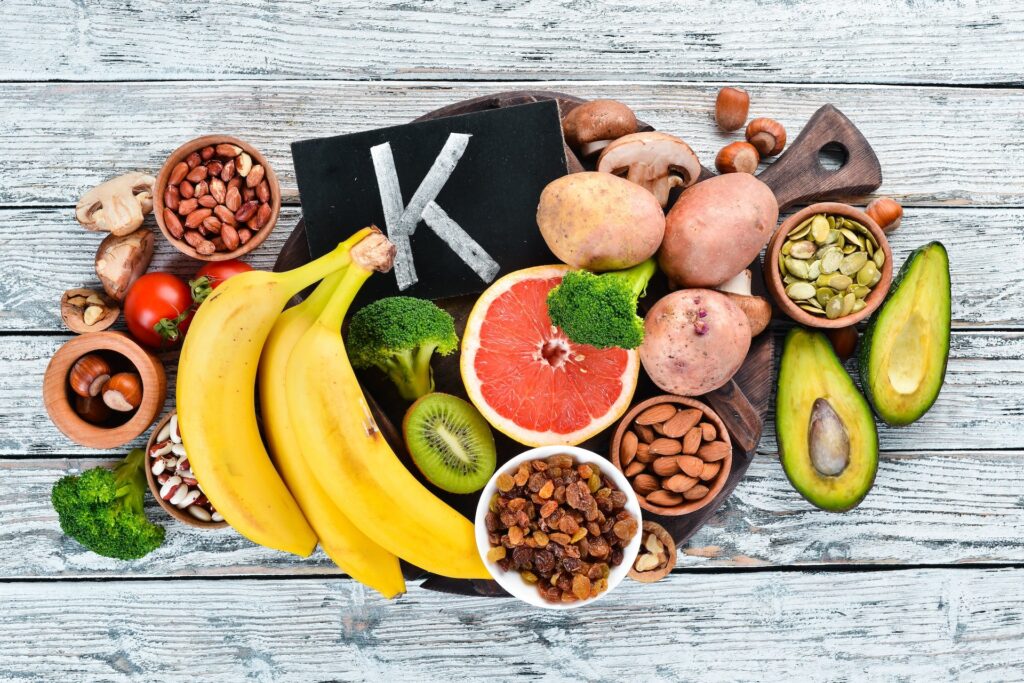
Fruits generally contain high Potassium levels. Many vegetables also contain high potassium. Vegetables can be leached to remove a lot of the potassium. Here’s how you can leach vegetables to remove a lot of the potassium in them:
If you really want to eat some fruit, do so in the first half hour of dialysis or just before dialysis. That way, it will get dialysed out during your session since Potassium is removed easily during dialysis.
Normal Potassium Value: 3.5 to 5.1 mEq/l
| Foods high in Potassium | Foods low in Potassium |
| Mango, Banana | Cabbage, Cauliflower |
| Chikoo, Coconut | Cucumber, Carrots, Beans |
| Potatoes, Tomatoes, Palak | Apples, Grapes |
| Dry fruits, Chocolates | Pineapple, Watermelon |
| Lo Na Salt | Rice, Wheat |
| Fruit juices, Sauces | Dals |
Note that large quantities of low Potassium foods become high Potassium foods! So, have even the low Potassium foods in moderation.
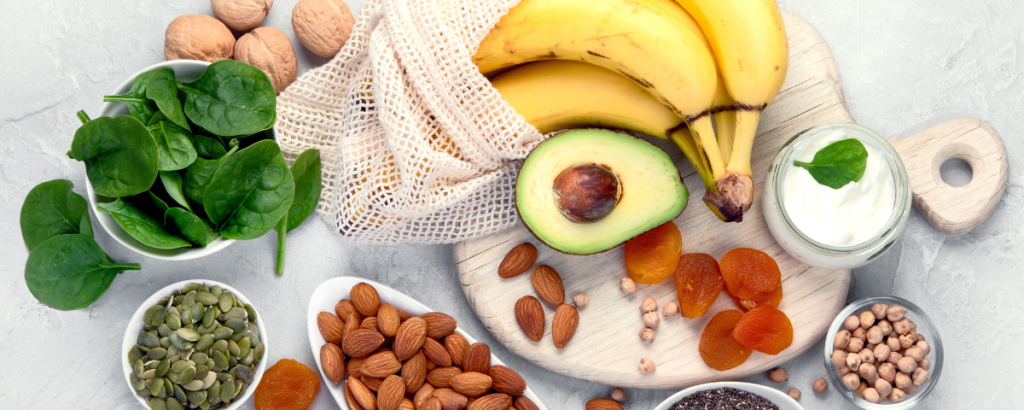
Sodium is an important electrolyte present in the body. Sodium also helps the following functions in the body:
Although sodium is necessary for body functions, consuming too much sodium can be harmful for the body especially for people with kidney disease since the kidneys are not able to filter the excess sodium from the body. This causes the sodium to build up in the body.
Excess sodium in the body can cause the following:
People with kidney disease should therefore, restrict the amount of sodium in their food. Common salt used in the food is a major source of Sodium in the food.
Please ask your dietician how much sodium you are allowed to have per day.
Gradually reduce the amount of salt in your food. Slowly you will find it difficult to eat food with normal salt.
Beware of Low Sodium salts. They contain Potassium!!
Normal Sodium: 135 to 145 mEq/l
| Foods high in Sodium | Foods low in Sodium |
| Breads | Fresh foods |
| Biscuits | Fresh vegetables |
| Butter | Herbs and spices |
| Processed foods | Poha |
| Cheese | Paneer |
| Aerated drinks | Fresh and canned fruits |
| Commercial masalas | |
| Chips (Lays etc.) | |
| Pickles | |
| Papad |
Phosphorus is a mineral which is present in almost all foods we eat. Phosphorus is essential for the production and storage of energy in the human body. Our body requires phosphorus to use vitamins and minerals. Phosphorus along with calcium is vital for the formation of strong bones and teeth.
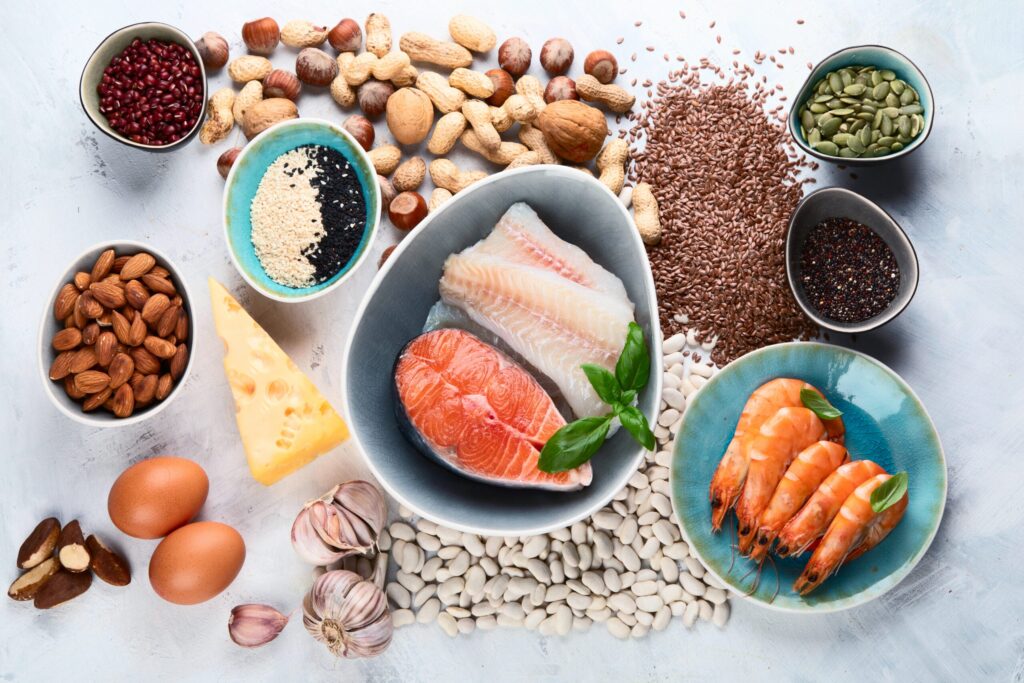
Normal kidneys filter the excess phosphorus and maintain the needed balance of phosphorus in the blood. Dialysis can remove some phosphorus but cannot remove all of the excess phosphorus in the body. Since dialysis alone cannot manage levels of phosphorous, managing what you eat becomes all the more important. Otherwise, there can be raised blood levels of phosphorus.
High levels of phosphorus in the blood can
Normal Phosphorus: 2.5 to 4.5 mg/dl
| Foods high in Phosphorus | Foods low in Phosphorus |
| Milk | Fresh foods |
| Paneer, tofu, cheese | Fresh vegetables |
| Curd | White bread |
| Chicken, eggs, fish | |
| Cola drinks | |
| Chocolate | |
| Nuts | |
| Soya foods | |
| Oats | |
| Ready to eat foods |
Note that large quantities of low Potassium foods become high Potassium foods! So, have even the low Potassium foods in moderation.
Restricting fluid is probably the toughest part about dialysis for most people.

Let us try to understand the reason behind fluid restrictions. The kidneys remove excess fluid from the body. So, when the kidneys are not functioning adequately, the excess fluid builds up in the body. This can cause the excess water to go into the cells of the body. This causes edema (or swelling of the feet and hands) and it can also cause breathlessness because the excess fluid gets into the tissues of the lungs. This excess fluid can only be removed by dialysis.
The amount of fluid that can be removed during dialysis is limited. Removing more than roughly 400 ml of fluid per hour from the blood during dialysis can cause a number of unpleasant symptoms such as cramping, low Blood Pressure etc. To avoid this, we must not remove too much fluid during dialysis. It is therefore important to restrict the quantity of fluid consumed between dialysis sessions.
Try the following tips to reduce your fluid intake:
Proteins are the building blocks of body tissues and can also serve as a fuel source. Every cell in your body is made up of protein and it is necessary for a healthy body.
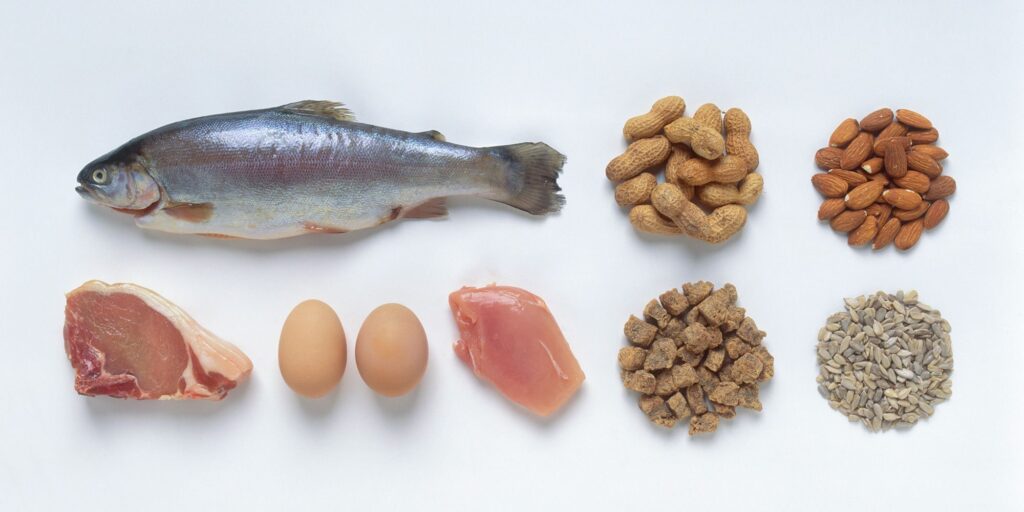
Dialysis treatments remove protein waste from your blood. Every dialysis session, one loses close to 6 – 12gm of protein. A higher protein intake is needed to replace protein lost during dialysis and to help keep you well-nourished and healthy.
Our body uses protein for various purposes:
Normal protein value for people on dialysis: 1.2 – 1.5gm protein per kilogram of ideal body weight.
| Foods rich in protein | Foods that lack protein |
| Soya | Carrots |
| Paneer | Broccoli |
| Lentils | Strawberries |
| Egg whites | Cucumbers |
| Fish | Asparagus |
| Meat | Tomatoes |
| Almonds | Avocados |
Although vegetarian protein is low in biological value and most sources are high in potassium or phosphorus.Poultry and fish should be restricted to twice weekly as they are also moderately high sources of potassium and phosphorus.