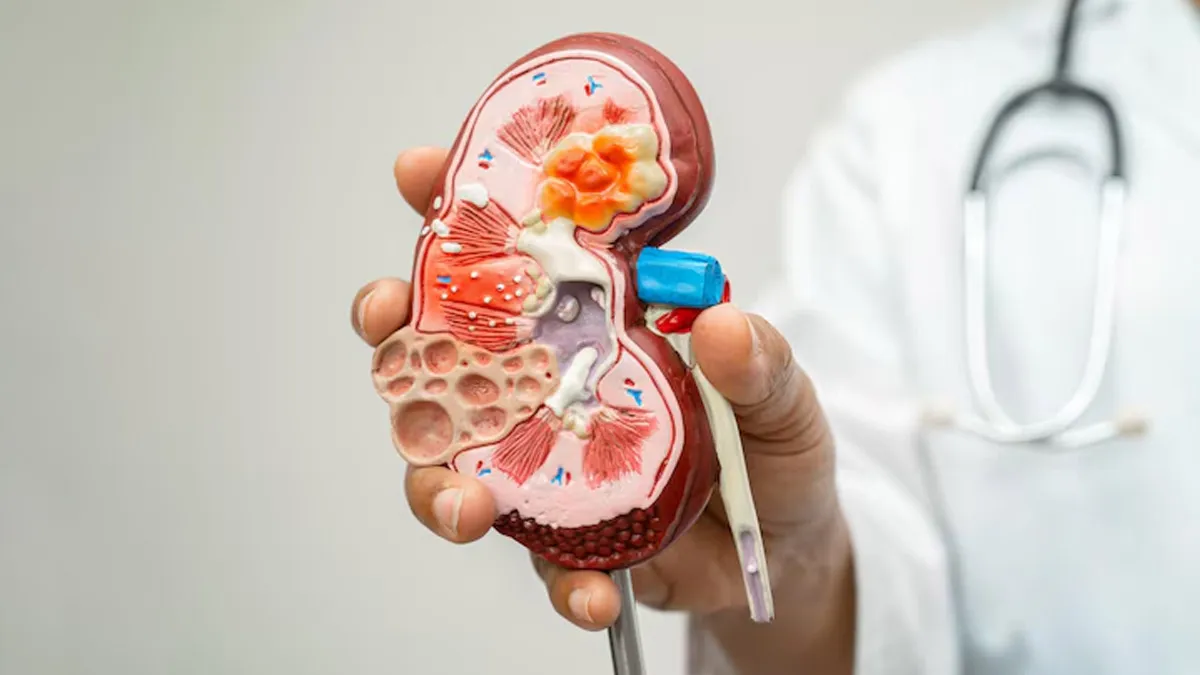

Chronic kidney disease (CKD) often develops gradually and may not cause noticeable symptoms in its early stages. Because of this, many people are unaware of kidney problems until significant damage has already occurred. Recognising early warning signs can help you seek medical attention sooner and potentially slow the progression of the disease.
Understanding these signs is especially important if you have risk factors such as diabetes, high blood pressure, a family history of kidney disease, or heart disease.
Why Early Detection Matters
The kidneys play a vital role in filtering waste, balancing fluids, regulating blood pressure, and maintaining electrolyte balance. When kidney function declines, these processes are affected. Early detection allows doctors to manage underlying causes, adjust medications, and recommend lifestyle changes that can protect remaining kidney function.
The earlier kidney disease is identified, the better the chances of preventing complications.
1. Changes in Urination
One of the earliest signs of kidney disease may be changes in urination patterns. This can include:
- Urinating more frequently, especially at night
- Foamy or bubbly urine
- Dark-colored urine
- Blood in the urine
- Reduced urine output
- Foamy urine, in particular, may indicate protein leakage, which can be an early sign of kidney damage.
2. Persistent Fatigue
Healthy kidneys produce a hormone called erythropoietin, which helps make red blood cells. When kidney function declines, anemia can develop, leading to fatigue, weakness, and difficulty concentrating. While fatigue has many possible causes, ongoing unexplained tiredness should not be ignored.
3. Swelling in the Feet, Ankles, or Face
When kidneys cannot remove excess fluid effectively, fluid retention can occur. This may cause swelling (also called edema), especially in the lower legs, ankles, feet, or around the eyes. Persistent swelling warrants medical evaluation.
4. Shortness of Breath
Excess fluid can accumulate in the lungs in advanced stages of kidney disease, causing difficulty breathing. Anemia related to kidney dysfunction may also contribute to shortness of breath. If breathing difficulties occur suddenly or worsen quickly, immediate medical attention is necessary.
5. High Blood Pressure That Is Difficult to Control
The kidneys and blood pressure are closely connected. Kidney disease can cause high blood pressure, and uncontrolled high blood pressure can damage the kidneys. If your blood pressure remains elevated despite treatment, it may signal an underlying kidney issue.
6. Loss of Appetite, Nausea, or Vomiting
As waste products build up in the blood due to reduced kidney function, individuals may experience nausea, vomiting, or a reduced appetite. These symptoms often appear in later stages but may occasionally be noticed earlier.
7. Persistent Itching or Dry Skin
Kidney disease can affect mineral and nutrient balance in the body, leading to dry skin and itching. While skin changes are common for many reasons, persistent itching without a clear cause may require evaluation.
8. Difficulty Concentrating or Mental Fog
When toxins accumulate in the bloodstream, it can affect brain function. Some people report difficulty concentrating, memory problems, or a general sense of mental fog. Anemia related to kidney disease may also contribute to these symptoms.
Who Is at Higher Risk?
Certain individuals are more likely to develop kidney disease, including those with:
- Diabetes
- High blood pressure
- Heart disease
- Obesity
- A family history of kidney disease
- Age over 60
If you fall into one of these categories, routine kidney function testing may be recommended even if you feel well.
When Should You See a Doctor?
You should consult a healthcare professional if you experience persistent symptoms such as swelling, changes in urination, unexplained fatigue, or high blood pressure that is difficult to control. Simple blood and urine tests can assess kidney function.
In many cases, early-stage kidney disease does not cause noticeable symptoms. That is why regular health check-ups are important, particularly for individuals with known risk factors.
Protecting Your Kidney Health
Even if you are not currently experiencing symptoms, you can support kidney health by:
- Managing blood pressure and blood sugar levels
- Staying hydrated
- Eating a balanced diet
- Avoiding excessive use of over-the-counter pain medications
- Exercising regularly
- Attending regular medical check-ups
- Preventive care plays a key role in long-term kidney health.
Final Thoughts
Kidney disease often develops silently, but early warning signs should not be overlooked. Paying attention to changes in your body and seeking medical advice when needed can make a significant difference in outcomes.
If you are concerned about kidney health or would like to schedule a kidney function evaluation, consult your healthcare provider for guidance.