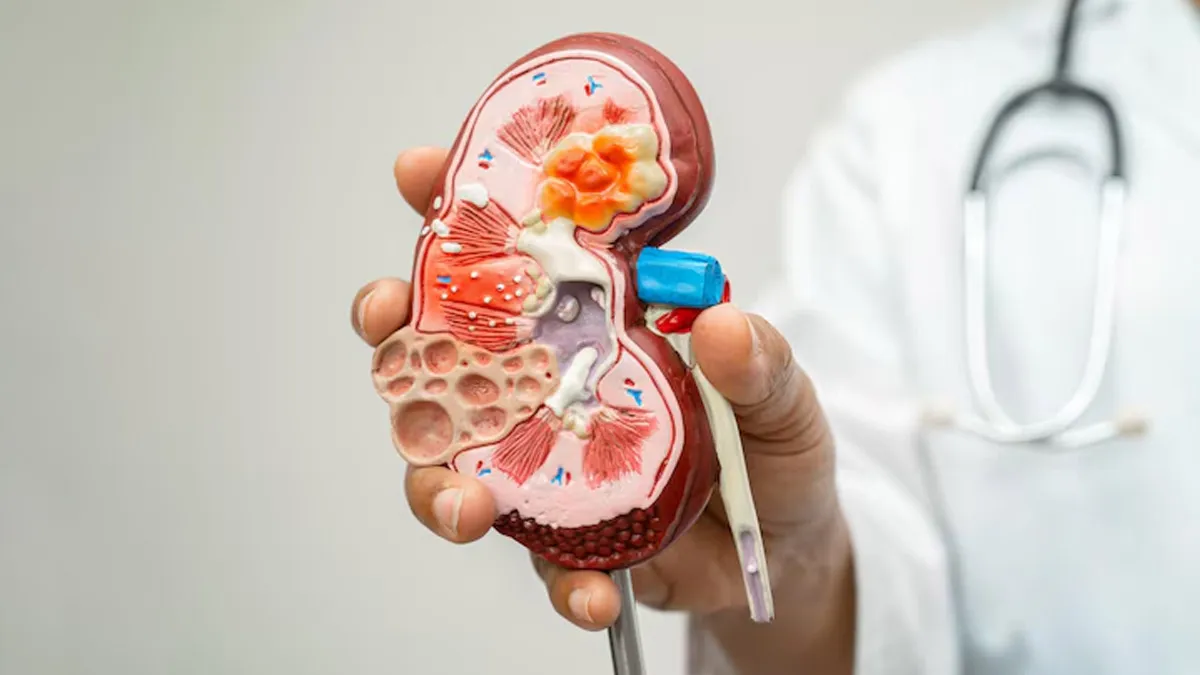
Creatinine is a term many people encounter after a routine blood test, especially if kidney health is being evaluated. While seeing an elevated creatinine level can be concerning, understanding what it means — and what it does not mean — is important.
Creatinine levels help doctors assess how well your kidneys are functioning. However, the number alone does not tell the full story.
What Is Creatinine?
Creatinine is a waste product produced by muscles during normal daily activity. Every time your muscles use energy, a small amount of creatinine is released into the bloodstream. Healthy kidneys filter creatinine out of the blood and remove it from the body through urine.
Because creatinine is produced at a fairly steady rate and removed by the kidneys, measuring its level in the blood provides useful information about kidney function.
What Is a Normal Creatinine Level?
Normal creatinine levels can vary depending on:
- Age
- Sex
- Muscle mass
- Body size
- Laboratory reference ranges
In general:
- Adult men: approximately 0.7 to 1.3 mg/dL
- Adult women: approximately 0.6 to 1.1 mg/dL
However, these ranges may differ slightly between laboratories. It is important to interpret results in context rather than relying on a single number.
What Does High Creatinine Mean?
An elevated creatinine level usually indicates that the kidneys are not filtering waste as effectively as they should. This may suggest:
- Chronic kidney disease (CKD)
- Acute kidney injury
- Dehydration
- Urinary obstruction
- Certain medications affecting kidney function
However, creatinine can also be temporarily elevated due to factors such as intense exercise, dehydration, or high protein intake.
A single elevated reading does not automatically mean chronic kidney disease. Doctors typically evaluate trends over time and perform additional tests before making a diagnosis.
What Does Low Creatinine Mean?
Low creatinine levels are less common and are usually not a sign of kidney disease. They may be associated with:
- Reduced muscle mass
- Advanced age
- Certain medical conditions
- Pregnancy
Low creatinine levels are rarely a cause for concern on their own.
Why Creatinine Alone Is Not Enough
While creatinine is important, doctors often calculate a related value called the estimated glomerular filtration rate (eGFR). The eGFR uses creatinine along with age, sex, and other factors to provide a more accurate measure of kidney function.
Two individuals with the same creatinine level may have different eGFR results depending on their age and body composition. This is why kidney function assessment involves more than just one number.
When Should You Be Concerned?
You should discuss your creatinine levels with a healthcare professional if:
- Levels are persistently elevated
- There is a sudden rise in creatinine
- You have symptoms such as swelling, fatigue, or changes in urination
- You have risk factors like diabetes or high blood pressure
Kidney disease often develops silently in early stages, so abnormal lab results should not be ignored — even if you feel well.
How to Support Healthy Creatinine Levels
Maintaining kidney health involves managing underlying conditions and adopting healthy habits, including:
- Controlling blood sugar and blood pressure
- Staying adequately hydrated
- Avoiding unnecessary over-the-counter pain medications
- Following a balanced diet
- Exercising regularly
- Attending routine health check-ups
If kidney disease is diagnosed, early management can help slow progression.
Frequently Asked Questions
Can creatinine levels fluctuate?
Yes. Creatinine can change slightly due to hydration status, recent physical activity, or temporary illness. Doctors usually look at trends over time.
Is high creatinine always permanent?
Not necessarily. Temporary causes such as dehydration or certain medications may cause a reversible increase.
How often should creatinine be tested?
Testing frequency depends on your health status. Individuals with diabetes, high blood pressure, or existing kidney concerns may require regular monitoring.
Final Thoughts
Creatinine is an important marker of kidney health, but it is only one piece of the puzzle. Understanding your results in context — alongside eGFR, medical history, and symptoms — provides a clearer picture of kidney function.
If you have questions about your creatinine levels or would like a kidney function assessment, consult a qualified healthcare professional for guidance.